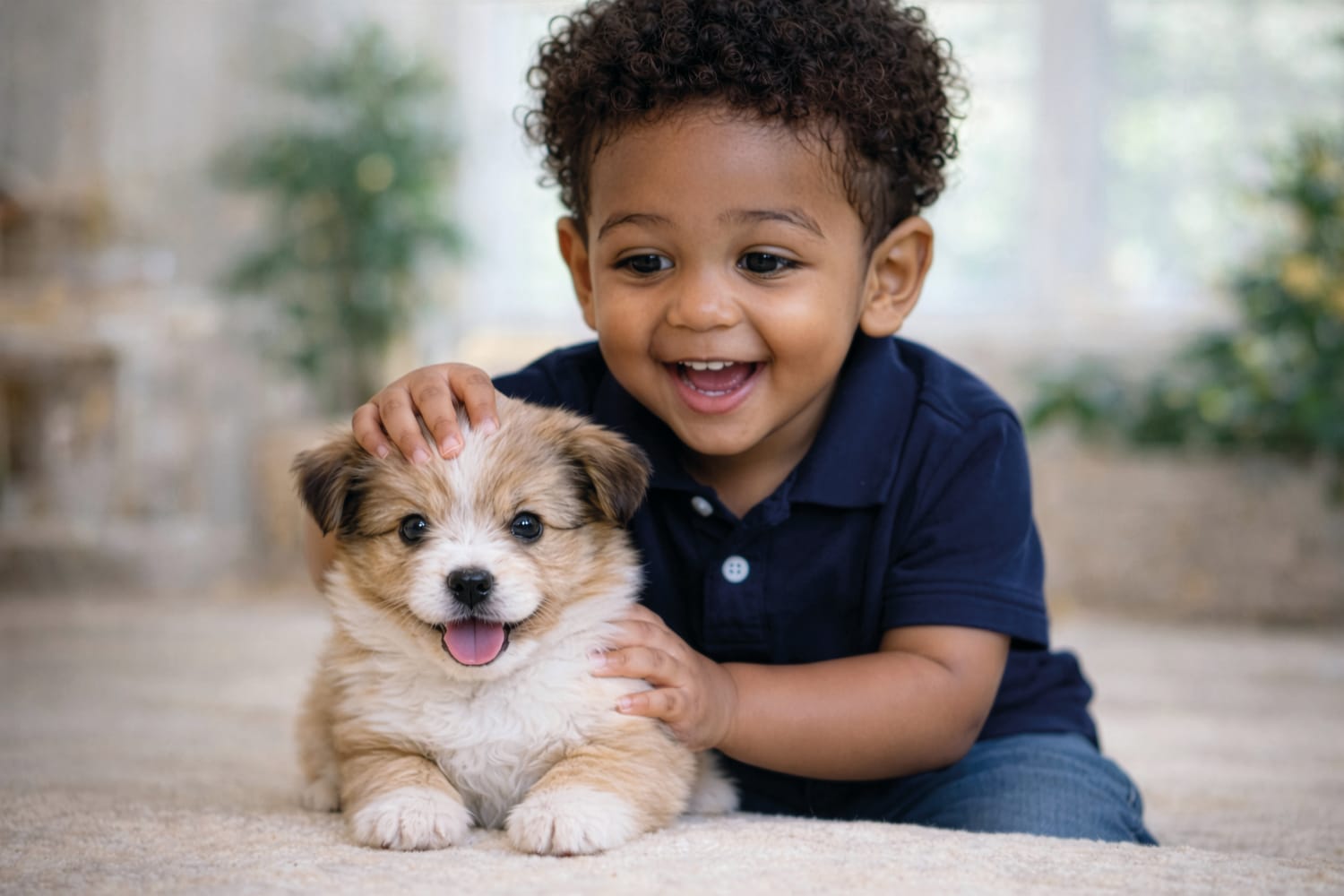
When Your Child Asks For A Family Pet, Say Yes!
Explore the benefits that a family pet provides, especially to young children.
While the decision to welcome a furry or feathery friend into your home is a big one, the rewards far outweigh the challenges, especially for families with babies and infants. The benefits of having a pet at home for children can be diverse, from emotional support to physical health improvements. Let’s explore the myriad benefits of having a family pet and how they can positively impact your children’s short- and long-term development.
Welcoming a Pet Home
A recent study showed that pet ownership is on the rise, with more families choosing to bring pets into their homes, reflecting a shift in how pets are valued as family members. There are many benefits to having pets, including enhanced social skills and increased empathy in children. Children with pets are often more socially confident. A study found that children who interact regularly with pets experience improved emotional regulation and reduced stress. Growing up with pets is also linked to higher self-esteem and cognitive development. Your child may still be too young, but studies have shown that even emerging readers often feel more comfortable reading aloud to a pet than to an adult.
Dogs, cats, and guinea pigs are popular examples of family pets that offer unique benefits and suit different family needs. Having an animal in the family teaches children about compassion, respect, and the importance of caring for others.
Sharing the love and care of a family pet forges an additional common bond among siblings. Family pets truly enrich the lives of everyone in the household. Research on pet owners continues to highlight these positive effects, making pet ownership a valuable experience for families.
Safety with Pets
When bringing home a new pet or welcoming a new member, such as a baby, it’s important to prepare the house and ensure a smooth transition for everyone. Always supervise interactions between young kids and pets. Discourage young children from putting things in their mouths when interacting with pets. Teach children to extend their hand first before reaching to pet the animal. Teaching respect and safety when interacting with animals is essential to ensure children understand boundaries and receive proper supervision, preventing accidents.
Immediate Benefits to Young Children
- Companionship and Comfort: Babies and infants thrive on companionship and comfort, and a family pet can be a loyal companion, providing endless snuggles, cuddles, and affection. Pets often become friends to young children, helping them develop social skills and a sense of belonging. Petting animals helps children regulate their emotions and express them, creating a safe space for sharing and improving overall well-being.
Children love the companionship and unconditional support pets provide, forming strong bonds that enrich their lives. As children grow, pets play a positive role in their emotional and psychological development.
Cuddling a pet reduces stress, loneliness, and anxiety. For shy or socially anxious children, a pet can act as a natural icebreaker, creating a safe space to practice social cues and initiate conversations. Whether it’s a gentle purr, a wagging tail, or a playful nuzzle, pets have a unique ability to soothe and comfort young children, helping them feel safe, secure, and loved.
- Encouraging Physical Activity: Pets, particularly dogs, can inspire babies and infants to be more active and engaged in physical play. From chasing a ball to taking daily walks, having a pet encourages children to move and explore the world around them, promoting healthy physical development and coordination. These activities also contribute to a healthy lifestyle for the whole family, encouraging outdoor play and active living.
- Fostering Responsibility: Even at a young age, children can begin learning responsibility and empathy by caring for a pet. Parents can teach children essential life skills by involving them in caring for their animal companions, such as feeding, providing food and water, and handling other responsibilities like grooming and playtime. Pets provide specific responsibilities that can be tailored to each age group. These practical caregiving tasks help children understand the importance of caring for others and develop empathy. Nurturing a pet is a way for boys to engage in “parent play”—to practice caregiving. Successfully caring for a pet can also boost a child’s self-esteem and emotional development.
Long-Term Benefits to Young Children
- Stronger Immune System and Better Health: Growing up with a pet can positively impact a child's immune system, reducing their risk of developing allergies and asthma later in life. Exposure to pet dander and outdoor allergens helps strengthen children’s immune systems, making them more resilient to common allergens and illnesses. Pets can help boost children's immunity by providing exposure to beneficial bacteria. A recent study found that children exposed to pets experience fewer respiratory infections and are less likely to become ill in their early years. This can lead to fewer doctor visits and better overall health.
Physical health benefits of having a pet accrue to adults and kids. Improved immune function, fewer respiratory infections, and lower blood pressure have been reported among pet owners. Interacting with pets can reduce cortisol (a stress hormone) and increase oxytocin (a bonding hormone), reducing stress and anxiety. The presence of pets in the house encourages a healthy lifestyle for the whole family.
- Enhancing Social Skills: Pets are effective social catalysts, helping children develop empathy, communication, and cooperation. Interacting with pets also teaches children to respect boundaries and understand others' feelings, which can translate into better relationships with peers. Raising children with animals, such as dogs, cats, or guinea pigs, provides many benefits, including improved social learning and emotional development. Whether it’s sharing a toy with their furry friend or comforting them when they’re sad, children develop strong emotional bonds with their pets, laying the foundation for healthy relationships with others.
- Promoting Emotional Wellbeing: A family pet’s unconditional love and companionship can profoundly impact children’s emotional well-being. Pets help boost a child's self-esteem by giving them a sense of responsibility and accomplishment. They also provide a safe space for children to express their feelings and manage stress. Pets offer a listening ear, a comforting presence, and a source of endless joy and laughter, helping children navigate the ups and downs of childhood with grace and resilience.
In conclusion, welcoming a family pet into your home is one of the greatest gifts you can give your growing family. From the short-term benefits of companionship and comfort to the long-term lessons of responsibility and empathy, pets play an invaluable role in children’s lives, nurturing their physical, emotional, and social development at every step. So, whether you’re considering adopting a playful puppy, a cuddly kitten, or a gentle guinea pig, know that you’re embarking on a journey filled with love, laughter, and endless adventures with your furry family member.