Top Tips on How to Foster Independence in Young Children
Wondering how to help your child to be more independent? Discover simple, practical tips to help your child become self-reliant, confident, and capable.
Fostering independence in early childhood not only builds confidence but also lays the foundation for future academic success.
Participating in Daily Routines
Consistent daily routines are key to nurturing independence in young children. Predictable routines provide a sense of security, helping children understand what to expect throughout the day. Assigning simple household chores as part of that daily routine teaches responsibility. Tasks like picking up toys, putting laundry in the basket, and setting the table are perfect for preschoolers, allowing them a sense of accomplishment and purpose.
Self-care tasks are essential for fostering independence. Practicing self-care skills in a supportive environment aids learning and builds self-esteem and confidence. Making tasks like washing hands enjoyable through fun songs can make the learning process more engaging. Simple tasks such as taking off their jacket, hanging up their backpack, and washing their hands become second nature. Though mundane to adults, these tasks are crucial for children in building basic life skills and independence.
Chores build self-reliance and teamwork skills, empowering children with confidence in their abilities. This understanding helps them feel more confident, more willing to take risks, and better able to manage tasks independently. Through these everyday opportunities, children develop perseverance, frustration tolerance, and a sense of accomplishment.
Promoting a Growth Mindset
Nurturing a growth mindset at an early stage is crucial for building independence and perseverance. Teaching children that mistakes are learning opportunities and encouraging risk-taking fosters a growth-oriented perspective. Praising efforts rather than innate abilities reinforces motivation and encourages persistence. Specific praise that describes behaviors rather than qualities helps children understand what they did well and encourages repetition.
Allowing Natural Consequences
Allowing children to face the natural consequences of their actions teaches them cause and effect. Experiencing the outcomes of their actions helps them understand what can result from their behavior, which is crucial for making informed future decisions. Allowing children to make mistakes and experience the consequences of their decisions fosters better decision-making in the future. However, safety must always come first. For instance, if a child refuses to wear a coat on a chilly day, feeling cold will teach them to make better choices next time.
Encouraging Self-Directed Play
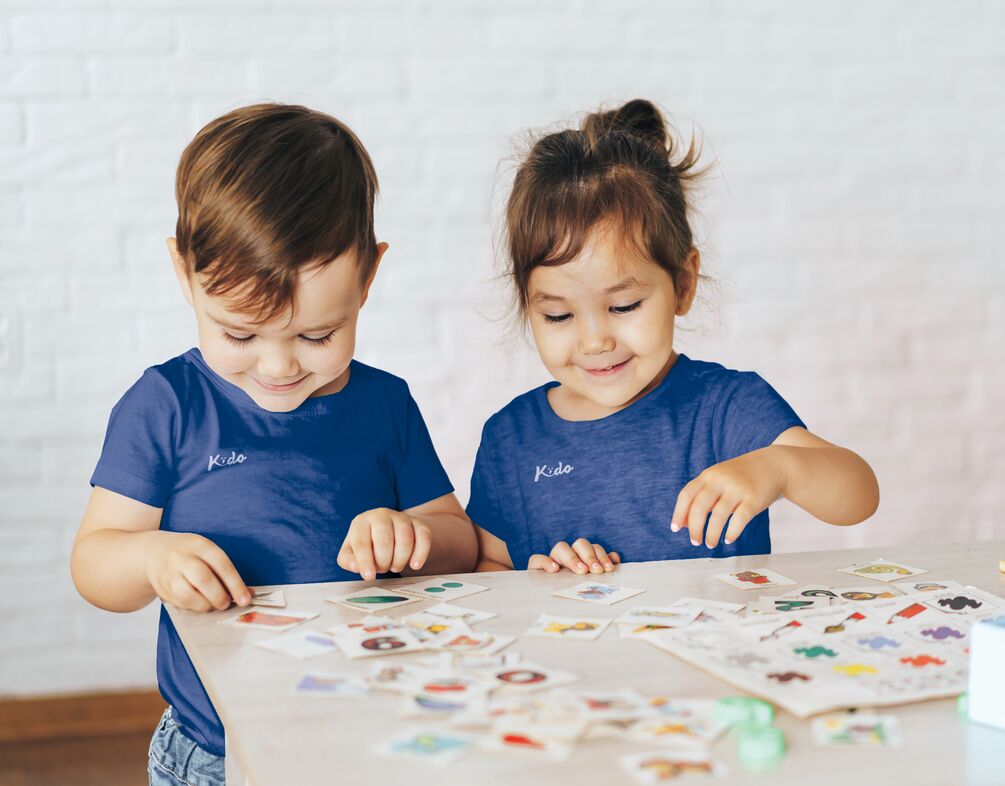
Self-directed play fosters independence by allowing children to explore creativity, problem-solving abilities, and autonomy in a safe environment. This type of play lets children learn at their own pace without the pressure of external benchmarks, a key aspect of early childhood education. Encouraging free play helps children:
- Develop internal motivation and find joy in creative pursuits.
- Invent narratives and explore scenarios, fostering imaginative thinking.
- Allow them to make their own choices during playtime, providing valuable learning opportunities that build independence and self-reliance.
- Build social skills by interacting with peers, learning to share, and cooperating during play.
Creating a Child-Friendly Environment
A child-friendly environment is essential for fostering independence in young children. Making household items accessible allows children to perform tasks independently, fostering responsibility. For instance, placing a step stool in the bathroom helps children reach the sink to wash their hands without assistance.
Using encouraging language motivates children to persist in building independence. When children feel supported and encouraged, they are more likely to take on new challenges and develop their skills. A supportive environment that encourages independence helps children understand their capabilities and builds confidence.
Organizing the home to allow easy access to toys, books, and learning materials empowers children to make their own choices. This promotes a sense of ownership and responsibility for their belongings.
Providing Opportunities for Decision Making
Providing opportunities for children to make their own decisions fosters independence. Examples include:
- Selecting snacks
- Choosing playtime companions
- Deciding what to wear
- Choosing what to play
These simple choices help develop independence, understand the impact of their decisions, nurture decision-making skills, and boost confidence, enabling individuals to make informed choices.
Limited choices or age-appropriate independence help children make informed decisions without feeling overwhelmed. Asking your preschooler to choose between two outfits or decide whether to play outside or read a book encourages critical thinking and understanding of the consequences of their actions.
Engaging children in family discussions about problem-solving and involving them in real-life tasks, such as shopping, helps them understand real-world choices. Valuing their opinions and feelings fosters a strong sense of control and autonomy.
As children grow into older children, the types of decisions and responsibilities can be gradually increased to match their maturity.
Balancing Support and Freedom
Fostering independence doesn’t mean stepping back entirely. Instead, think of it as “scaffolding.” Parents should provide guidance when needed and gradually reduce support as their child gains skills. For example, a parent might hold their hand the first few times they pour water into a cup, then step back and let them try independently. Striking the right balance between freedom and guidance helps children feel supported while building confidence.
Teaching Problem-Solving Skills
Problem-solving skills are vital for fostering independence. When children face difficulties, providing support and guidance without directly solving the problem helps them navigate challenges independently and learn problem-solving skills. Encouraging dialogue about choices and their outcomes helps children understand the decision-making process and reinforces that mistakes are learning opportunities. In social settings, encouraging children to resolve disagreements with peers helps them develop conflict-resolution skills, which are essential for independence and resilience.
Social Independence
Beyond home routines, children also benefit from practicing independence in social settings. Simple opportunities, like greeting a visitor, ordering their own food at a restaurant, or asking a peer to join in play, help build confidence in real-world interactions. Allowing them to navigate small social challenges without rushing to intervene nurtures resilience and self-advocacy.
Safety Awareness
Part of being independent is knowing how to keep oneself safe. Teaching simple skills such as remembering their full name, understanding who they can ask for help, or practicing road safety rules empowers children with practical independence. These small lessons lay the foundation for greater autonomy as they grow.
Technology Independence
In today’s digital world, independence also extends to technology. While young children need strong guidance, you can encourage healthy habits by allowing them to choose from a few parent-approved apps or by setting their own timer for screen time. This way, they practice decision-making and self-regulation in a digital environment — skills that will be crucial as they grow older.
Supporting Parents in Letting Go
Sometimes, the biggest challenge in fostering independence lies with parents. It can be hard to watch your child struggle or make mistakes. But allowing them to try, even if imperfectly, is what builds true confidence. Remind yourself that mistakes are learning opportunities, and trust your child’s abilities. By stepping back, you’re actually giving them one of the greatest gifts—belief in themselves.
In summary, fostering independence in young children is a multifaceted journey that involves consistent daily routines, encouraging self-directed play, providing opportunities for decision-making, and teaching problem-solving skills. By promoting a growth mindset and assigning simple household chores, parents can help their children develop responsibility and confidence.
Allowing natural consequences, encouraging self-care tasks, teaching safety awareness, and creating a child-friendly environment further contribute to a child’s independence and overall wellbeing. Finally, parents play a key role by learning to step back and trust their child’s abilities, even when mistakes happen. By implementing these strategies, parents can empower their children to take confident steps towards their future.