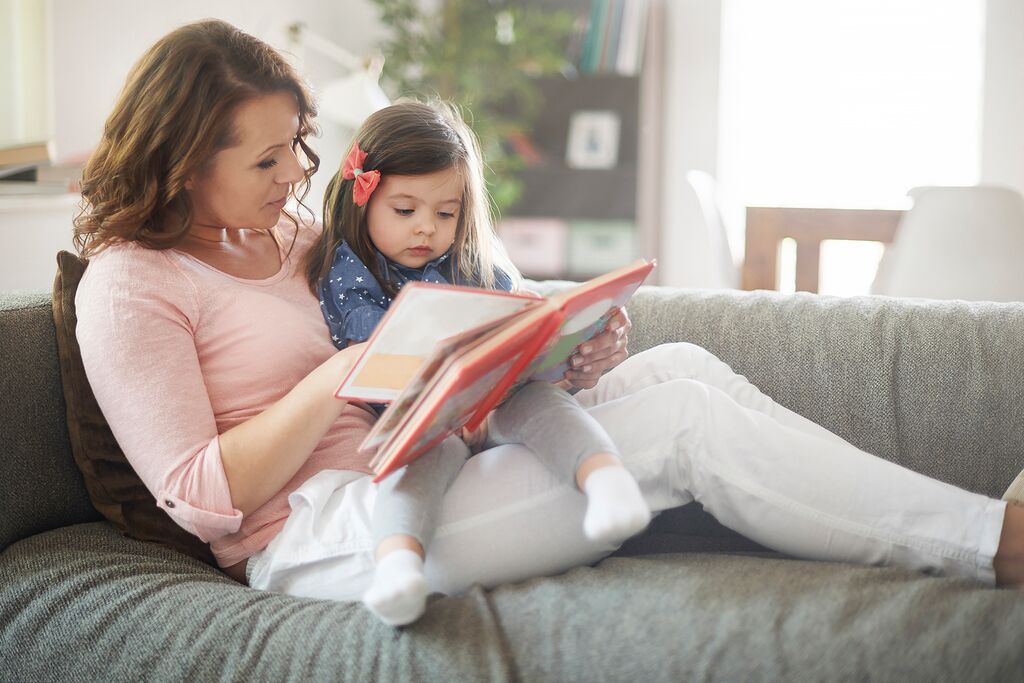
Reading Development in Early Childhood: What Every Parent Needs to Know
Building strong reading foundations through everyday conversations and meaningful interactions.
Early reading development in children begins long before they recognise letters or words. It is rooted in language, interaction, and everyday experiences that help children understand meaning. Building strong communication and connection in the early years lays the foundation for confident and independent reading later.
- Reading development starts from birth through interaction and communication
- Language exposure matters more than early letter recognition
- Everyday conversations build stronger reading readiness than formal teaching
- Repetition helps children recognise patterns and build confidence
- A strong early foundation makes formal reading easier later
What is early reading development in children?
Early reading development refers to how children begin understanding language, communication, and meaning before they can read words. It includes listening, speaking, recognising patterns, and connecting words to real-life experiences.
In simple terms, reading is not just about decoding words; it is about making sense of the world through language.
How does reading begin before children learn letters?
Reading begins through observation, listening, and emotional connection. From infancy, children respond to voices, facial expressions, and sounds, which help them interpret communication.
According to global research on early development, children thrive when they experience responsive caregiving, meaningful interaction, and early learning opportunities in their environment. This forms the foundation for how they later process language and meaning.
WHO: Nurturing Care for Early Childhood Development
These early interactions strengthen children's understanding of communication, long before formal reading begins.
Why is language development the foundation of reading?
Language is the backbone of reading because children need to understand words before they can read them.
Children develop language through:
- Conversations during daily routines
- Storytelling and narration
- Songs, rhymes, and repetition
- Back-and-forth interaction with adults
Research from the Center on the Developing Child at Harvard University highlights that early experiences shape the architecture of the brain, particularly in areas linked to language and comprehension. These early neural connections directly influence a child’s ability to learn, read, and communicate later in life.
Harvard Center on the Developing Child: Early Childhood Development Science
Children exposed to rich language early tend to:
- Have a stronger vocabulary
- Understand stories better
- Read with greater confidence
How can parents support reading development at home?
Supporting reading at home does not require structured lessons. The most effective learning happens through simple, consistent interactions.
What actually works
- Talk to your child throughout the day
- Describe what you are doing (“We are cutting apples”)
- Ask questions and respond
- Read together daily, even briefly
- Sing songs and repeat familiar rhymes
The goal is not early academics; it is building comfort and familiarity with language.
Why are the first three years critical for reading skills?
The first three years represent one of the most important periods of brain development.
During this time:
- Neural connections form rapidly
- Language pathways are strengthened
- Children learn through sensory experiences
This is why early exposure to language and interaction has a direct impact on future reading ability. Children who experience rich, responsive environments early find reading more intuitive later.
What are the two phases of reading development?
Phase 1: Foundation Stage (0–3+ years)
This stage focuses on:
- Listening and attention
- Vocabulary development
- Emotional connection
- Understanding communication
Children are not reading yet, but they are building the skills required to read.
Phase 2: Learning to Read (3+ years)
This stage introduces:
- Phonics and letter-sound relationships
- Word recognition
- Sight words
- Simple sentence reading
Success in this phase depends heavily on the strength of the foundation built earlier.
Why is repetition important in early reading?
Repetition helps children recognise patterns, build memory, and develop confidence.
When children revisit the same story:
- They begin predicting what comes next
- They remember key words and phrases
- They participate more actively
Repetition allows children to focus not just on what is being said, but how language works.
Does a child need to understand every word while reading?
No. In the early years, children are not focused on understanding every word.
Instead, they are learning:
- Rhythm and flow of language
- Tone and expression
- Structure of communication
More importantly, reading builds emotional connection. When children associate books with warmth and attention, they are more likely to develop a lasting interest in reading.
How do structured early learning environments support reading development?
While home plays a powerful role, a thoughtfully designed early learning environment can further strengthen a child’s reading journey.
At Kido, our approach blends global best practices such as the EYFS framework, Reggio Emilia, and Multiple Intelligences, in which language is not taught in isolation but is experienced through play, exploration, and meaningful interaction.
Children engage in:
- Storytelling and expressive communication
- Project-based learning through Explorer Day
- Creative expression in Studio K
- Conversations that build confidence and vocabulary
This ensures that children are not just learning to read but also developing the confidence to express themselves, question, and understand the world around them.
Simple Parent Guide: Build Strong Reading Foundations at Home
If you’re wondering where to begin, we’ve created a simple, practical guide for you.
You don’t need structured lessons or extra time to support your child’s reading development. The most powerful learning happens through small, everyday interactions.
Daily conversation prompts you can use
Use these naturally during your routine - no pressure, just connection:
- “What do you think will happen next?”
- “Can you tell me what you see?”
- “How does this feel?” (soft, cold, rough, smooth)
- “Why do you think this is happening?”
- “What was your favourite part of today?”
- “Can you show me how you did that?”
- “What do you want to try next?”
These kinds of open-ended questions encourage children to think, express, and build vocabulary.
Simple routines that build language naturally
1. Talk through your day
Narrate everyday moments:
- “We’re putting on your shoes”
- “Now we’re cutting fruit for snack time”
This helps children connect words to real-life actions.
2. Turn routines into conversations
Whether it’s bath time, meals, or getting ready:
- Ask questions
- Pause for responses
- Build on what your child says
Even short back-and-forth exchanges make a huge difference.
3. Read, but keep it interactive
While reading:
- Point to pictures
- Ask “What do you see?”
- Let your child turn pages or complete sentences
It’s not about finishing the book; it’s about engaging with it.
4. Repeat without hesitation
If your child wants the same story again, that’s a good sign.
Repetition helps them:
- Recognise patterns
- Remember words
- Build confidence
5. Follow your child’s lead
If they’re interested in something, for e.g. cars, animals, colours, talk about it. Children learn best when language is connected to what excites them.
FAQs
You can start from birth. Even infants benefit from hearing your voice, tone, and rhythm. Early exposure helps build familiarity with language and strengthens emotional connection.
No. Children first need strong language skills—listening, understanding, and speaking—before they can recognize and decode letters effectively.
Even 5–10 minutes a day is enough if it is consistent. The quality of interaction matters more than the duration.
Repetition helps children recognize patterns, remember words, and build confidence. It is a natural and important part of early learning.
That’s completely normal. Focus on conversations, storytelling, and play-based interaction. Interest in books often develops naturally over time.
Yes. Children develop the foundation for reading through everyday interactions, language exposure, and meaningful experiences before formal instruction begins.
You’re not trying to “teach reading” early. You’re simply building a world rich in language, conversation, and connection. And that is what truly prepares a child to read with ease and confidence.
Reading development is not about starting early with books—it is about building strong language skills, connections, and everyday interactions from the very beginning. When we create rich, responsive environments for children, we are not just preparing them to read, but helping them become confident and curious learners.
Explore how Kido supports your child’s learning journey or book a visit to experience it firsthand.