Mastering Sibling Rivalry: Effective Tips for Peaceful Family Life
Understand what causes sibling rivalry and how to turn this natural occurrence into a positive thing!
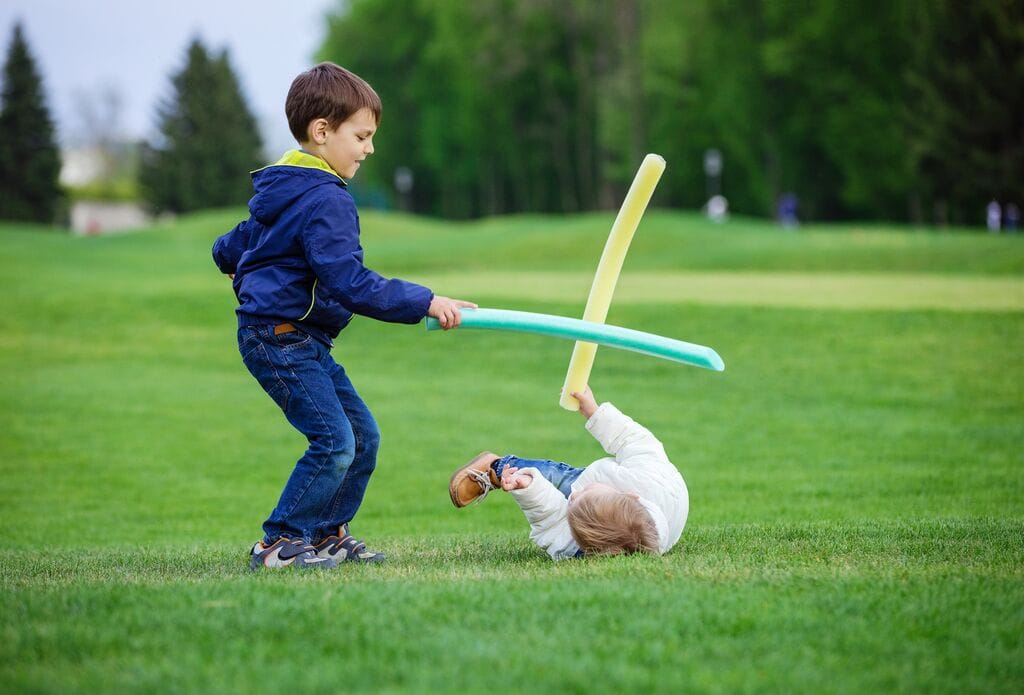
Pick any two siblings, and you are sure to find a complex relationship marked by a lot of love, but also competition and conflicts! Sibling rivalry is a very common and natural family dynamic. It refers to the jealousy, competition, and fighting between brothers and sisters. It is a concern for most parents with two or more children and can be a source of stress in the family.
But the good news is that there are strategies parents can use to help their children navigate conflicts in a positive way. If handled well, brothers and sisters grow closer together as they age and eventually outgrow most of their childhood competitiveness.
Understanding Sibling Rivalry
Sibling rivalry may be inevitable, but it is manageable. Understanding its underlying causes is essential for effective management. Every sibling relationship is unique, influenced by various factors such as age, personality, and family structure. Whether it’s brothers and sisters, step-siblings, or any other combination, rivalry can manifest in different ways.
The most common reason is competition for parental affection and attention. Some children feel they are getting unequal amounts of attention, time, and responsiveness compared to their siblings. This feeling is more intense when children perceive that their parents have a favorite. The perceived favoritism leads to feelings of jealousy.
This perception of favoritism starts from the moment the second child is born. A new baby coming into the household naturally leads to a shift of attention away from the older child, who may have been used to being the center of attention till that point. As the younger child needs more support at this early stage of life, it is not uncommon for the older child to feel that his relationship with his parents is threatened.
For the younger sibling, there is often a perception that the parents rely on the older child much more and give the older child more responsibility. While this may be a natural outcome of the age difference between two children, it is not uncommon for the younger child to perceive it as favoritism or as more love being given to the older child.
The competition is not limited to that for parental love. It also extends to a struggle for resources like toys. Typically, siblings fight over the same toy between the ages of 0 and 5. Being forced to share a toy that they view as their own can be a source of immense frustration for a child.
Developmental stages also play a significant role in sibling rivalry. A child's maturity will determine how well they can share attention and get along with one another. As children grow and navigate complex social emotions like insecurity, their interactions with siblings can become more strained. Also, larger age gaps between two children can lead to greater disparities in their needs and fewer shared interests. For example, younger children may feel overshadowed by their older siblings’ accomplishments, while older siblings might feel burdened by their younger siblings’ need for attention. These developmental challenges can lead to misunderstandings, especially among siblings aged 5 to 10 who often have contrasting interests.
Our social fabric and the environment in which the child grows up can exacerbate such feelings. Children want to be seen as individuals, separate from their siblings, by discovering and showing their own talents, activities, and interests. However, it is natural for relatives, friends, and school teachers alike to compare two siblings when they know both of them. This can be frustrating, especially if the comparison drawn is negative.
Lastly, the level of stress in a child's and a parent's lives can also be a determining factor. Children who are stressed, perhaps due to causes as inconsequential as hunger, boredom, or tiredness, are more likely to become frustrated and start fights. Stress in parents' lives can affect the amount of equal attention they can give their children and lead children to perceive unfairness. It is important to recognize that how parents treat their children in stressful environments can teach siblings how to approach conflicts between them.
Strategies for Managing Sibling Rivalry
Managing sibling rivalry requires a combination of strategies that promote cooperation, celebrate individuality, and ensure fair treatment. Parents should encourage teamwork, even when it sometimes backfires, and the kids gang up on them.
Sibling bullying is linked to a lower sense of competence, life satisfaction, and self-esteem in young adults. Siblings often act out at one another because they feel powerless to express their feelings to their parents.
Hence, a parent's role is key in successfully navigating this extremely complex but very natural feeling in a child. Here are some effective strategies that may help a parent to create a more cooperative environment at home.
- Stay calm and composed
Parents play a crucial role in modeling calm behavior during conflicts, showing children how to manage their emotions. Parents can be role models for their children, helping them learn to regulate their emotions and respond constructively to conflicts. Demonstrate staying calm by using deep breathing techniques or counting to ten before responding during sibling arguments. Staying composed allows parents to de-escalate conflicts, leading to more peaceful sibling interactions over time. Parents should mediate conflicts fairly, acting as neutral guides rather than judges.
- Promote cooperation
Encouraging shared activities strengthens the bond between siblings. Parents should set aside time and create joint family activities that encourage siblings to work together towards a common goal. Encouraging siblings to play together and share experiences can create an environment where siblings support each other rather than compete. Further, establishing clear rules for resource sharing upfront mitigates conflicts during play. Involving all members in family meetings can help establish agreed-upon rules and transparency in the home.
- Celebrate individuality
Creating opportunities for each child to pursue their interests and shine in their own space can lessen competition. Recognizing each child’s individuality is crucial for fostering self-respect. It is essential to remember never to compare one child with the other, even in the most indirect way - children can be very sensitive to such comparisons. It is important to acknowledge and celebrate individuality without assigning labels or burdening the children with expectations about who they should be.
- Managing routines to reduce stress
Implementing structured family routines can significantly decrease sibling disputes. Parents should pay attention to the time of day or patterns of behavior when conflicts arise. Making slight changes to routines can help avert conflicts. For example, if a parent notices that such conflicts erupt right before dinnertime, hunger and stress might be contributing to the frustration. A simple routine change, like moving the family dinner time forward by half an hour, might help avert a stressful situation and foster family harmony. Family members should cooperate in setting up routines, work together to maintain them, and identify needed changes.
- Communicate fairness
Being fair is important, but parents must understand that being fair is not about being equal. Fair treatment means recognizing and addressing each person's unique needs and circumstances, while equal treatment involves giving everyone the same thing regardless of those differences. So, being fair is about what’s right for each child, and responsibilities and privileges should be age-appropriate.
This is not obvious to young children, and care should be taken to explain this to them. Older and younger children may have different privileges based on their age and abilities. It is important to communicate the house rules and explain any differences in them. Children should feel reassured that their parents are doing their best to meet their individual needs.
- Teach children to express their feelings
Teaching children how to express their feelings constructively is crucial in resolving disputes. Screaming tantrums and aggressive behavior are tools children may use when they don't have the words to express their frustration. Parents should teach problem-solving skills and respectful communication of feelings to help their children develop the skills needed to resolve conflicts constructively.
- Spend quality time with each child
Spending individual quality time with each child helps them feel valued and reduces feelings of rivalry. Strengthening the bond with each child individually fosters a caring relationship that can help minimize sibling jealousy
Parents can facilitate individual time by planning one-on-one activities that cater to each child’s interests. This fosters stronger parent-child connections and reduces sibling envy. Creating special moments with each child helps them feel appreciated and loved.
Long-Term Positive Effects
Sibling rivalry is a common experience that can evolve positively over time, influencing future relationships. It helps children to learn to socialize and resolve disagreements. Encouraging open communication and supporting individual interests can help strengthen sibling bonds.
As siblings mature, the intensity of rivalry often decreases, leading to more sophisticated interactions. As individuals transition from adolescence to adulthood, sibling relationships often shift from conflict to support, reflecting changes in personal responsibilities and social dynamics. When siblings are connected and have a positive relationship, they will support each other emotionally and be there for one another as they grow older. Having a loving sibling, brother, or sister encourages children to help others and take better care of themselves. Loving siblings can foster charitable and generous spirits.
This tolerance extends to other relationships in their adult lives as well. Adults who have overcome such conflicts with their siblings tend to get along better with others who are different from themselves. They are more likely to show sensitivity to others’ feelings. They are better able to manage conflicts constructively and are more in touch with their emotions, expressing their feelings more respectfully.
Sibling rivalry is a natural part of family dynamics, but with the right strategies, parents can manage and reduce conflicts effectively. Understanding the roots of sibling rivalry, recognizing common triggers, and implementing practical solutions are key steps in fostering a harmonious family environment. Parents play a crucial role in modeling behavior, ensuring fair treatment, and spending quality time with each child.