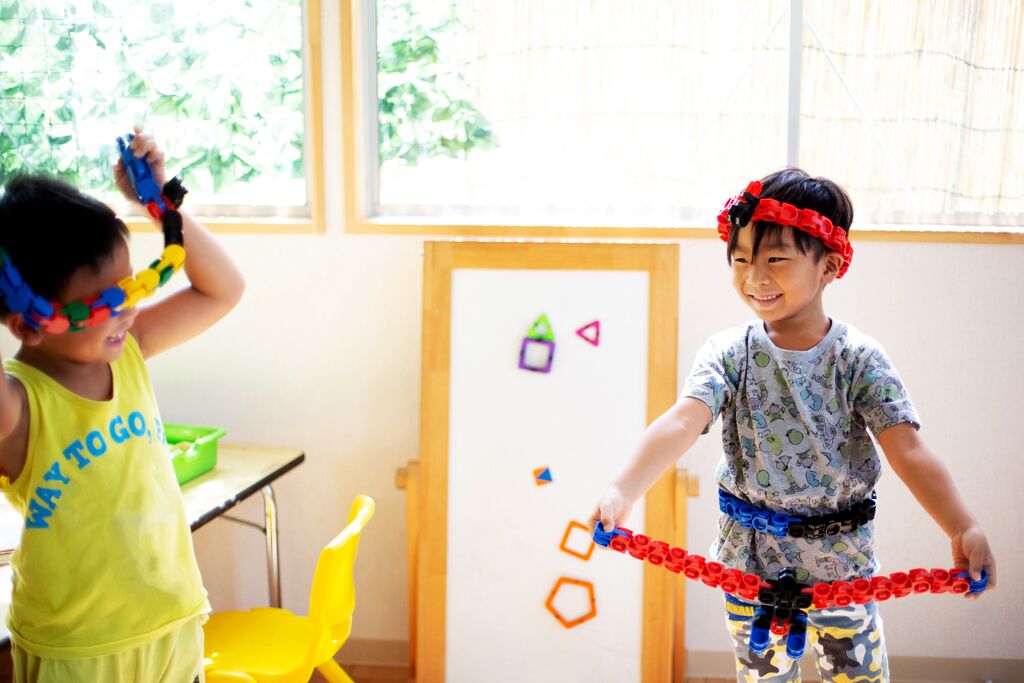
How to Reduce Screen Time Without Tantrums?
Simple tips to reduce children's screen time, avoid tantrums and encourage healthy screen-free habits.
Making gradual changes, creating predictable routines, and replacing screens with engaging alternatives can help your child naturally reduce their screen time without much resistance. Nowadays, young children rely heavily on screens because gadgets have become a vital part of their daily routine, especially during meal time and before going to bed. With innovative ideas and implementation, children can learn to enjoy many other ways to play.
Key Takeaways
- Reduce screen time gradually instead of stopping it overnight.
- Inform your child of when screen time will end by giving clear warnings.
- Replace screens with stimulating activities rather than simply taking the device away.
- Try to stay consistent with daily routines and screen time limits.
- Adults who model healthy screen habits make it easier for children to do the same.
How Much Screen Time Is Appropriate for Young Children? / How Much Screen Time Should Young Children Have?
The World Health Organization recommends that children below 2 years of age, must not be exposed to any kind of screens. Screen time should be limited as priority must be given to activities that support the development of their language skills, social skills, physical development and exploration. Younger children learn more efficiently when placed in tangible environments where they can explore learning through play, movement and interactions with othersAs children grow older, screen time may be introduced with clear boundaries, ensuring it does not affect sleep, learning, family interactions and overall wellbeing.
Why Do Children Have Tantrums When Screen Time Ends?
Children throw tantrums when screen time ends because digital devices such as mobile phones, tablets, and televisions trigger a rapid release of a chemical called dopamine in the brain. Dopamine stimulates feelings of pleasure, satisfaction and joy when children see bright colours, fast-moving images and constant entertainment on their screens. When the screen is turned off, this chemical abruptly drops.
Young children cannot easily process this sudden shift as their brain development is yet immature leading to frustration, anger, and loss of self-control.
Children are also more likely to become upset if:
- Screen time ends abruptly.
- They are already tired or hungry.
- They have not yet developed the skills needed to manage their emotions.
According to the American Academy of Pediatrics families should create healthy and manageable screen-time routines, including setting screen-free times, choosing appropriate content, and making a media plan for their young children.
How Can I Reduce My Child’s Screen Time?
Firstly, eliminating screens entirely should not be the overall objective. Helping young children regulate their screen-time does not come with removing access to digital media altogether, but instead in creating healthier habits.
Make Changes Gradually
If a child watches several hours of television or uses a tablet almost every day, reducing screen time immediately can feel overwhelming.
Instead, shorten screen-time by 10 to 15 minutes every few days until you reach a routine that works for your family.
Small changes are usually easier for children to accept.
Give Plenty of Warning
Young children often find it easier to stop using a screen when they are given a time-limit.
Give your child a gentle yet firm warning before screen time is finished , “Five more minutes, then we’ll put the tablet away.” A visual timer or simple countdown can also help your child see that screen time is coming to an end.
It can also help to have something interesting ready for them to move on to, such as a favourite toy, a book, or another activity.
Create Screen-Free Routines
Children feel safe and comfortable when their everyday life follows a predictable routine.
Simple patterns, such as having no screens during meals, reading a story before bed instead of watching videos, going outdoors after preschool, or playing a family game after dinner, can help children know what to expect.
When children become familiar with what comes next, they are less likely to ask for extra screen time or negotiate about when it should end.
American Academy of Pediatrics states tips for parents on managing tantrums and difficult behaviour when it is time to stop using screens, with practical strategies for setting boundaries and making transitions easier.
What Should I Avoid When Managing My Child’s Screen Time?
Parents must properly communicate regarding screen-time limits with their children, otherwise such mistakes can lead to lack of self control, excessive emotional responses and tantrums.
- Suddenly switching the device off without warning.
- Giving screens whenever your child is bored or unable to sit still.
- Using screens as the only way to calm difficult emotions.
- Creating different rules every day.
Consistency helps children feel secure, even when they protest at first.
What Can I Do Instead of Giving My Child a Screen?
Encourage Active Play
Running, climbing, dancing, ball games and obstacle courses support physical development while keeping children engaged.
Read Together
Reading books builds language, imagination and attention skills while creating valuable bonding time.
Include Children in Everyday Tasks
Simple activities such as watering plants, sorting laundry, baking or setting the table help children feel capable and involved.
Spend Time Outdoors
Nature provides endless opportunities for exploration, whether it is collecting leaves, watching insects or simply going for a walk.
According to UNICEF young children develop and learn through everyday experiences, relationships, play, and responsive interactions with caregivers.
Should Parents / I Reduce Their Own Screen Time?
Children learn by watching the adults around them. If parents frequently check their phones during meals or conversations, children notice and learn.
Putting phones away during family time teaches children that family is more important than screens.
Small changes, such as creating phone-free meal times or keeping devices out of bedrooms, benefit young children and their perception of digital devices.
How Can Preschools Support My Child’s Screen-Time?
Children who spend their day exploring, moving, creating and interacting with others naturally become less dependent on screens for entertainment.
Play-based early years settings encourage children to:
- Build friendships.
- Solve problems through play.
- Explore nature.
- Develop language through conversation.
- Strengthen concentration with hands-on learning.
At Kido, technology is used thoughtfully and purposefully. Our classrooms prioritise play, creativity, exploration and meaningful interactions because these experiences support children's overall development far more effectively than passive screen time.
FAQs
Yes, but moderation is important. Choose high-quality content, watch together whenever possible and balance screen time with active play, reading and social interaction.
Children often struggle with transitions, especially when moving away from highly engaging activities. Giving advance warning and offering another enjoyable activity can make these transitions smoother.
For most families, completely eliminating screens is neither realistic nor necessary. The aim is to use screens intentionally while ensuring children have plenty of opportunities for active play, conversation and real-world experiences.
Every child is different. Some children adjust within a few days, while others may need several weeks of consistent routines before new habits become established.
Yes. Children who spend their day engaged in play, exploration and social interaction often become less reliant on screens because their need for stimulation and connection is being met in other ways.
Stay calm and respond in a clear, warm tone. Remind your child of their screen-time limit and redirect them to another activity they may enjoy.
Offering simple alternatives such as outdoor play, books, puzzles, drawing, music, pretend play or helping with everyday tasks, can be beneficial for your child.
It is better to avoid screens close to bedtime, as they can make it harder for some children to settle and follow their usual sleep routine.
Conclusion
Reducing screen time is rarely about taking something away—it is about replacing it with richer opportunities for learning, play and connection. There may be a few protests at first, but with consistency and patience, children usually adapt surprisingly well.
If you're looking for an environment where your child spends more time exploring, creating and interacting than sitting in front of a screen, Book a visit to Kido and discover how our play-based approach supports healthy, balanced development.