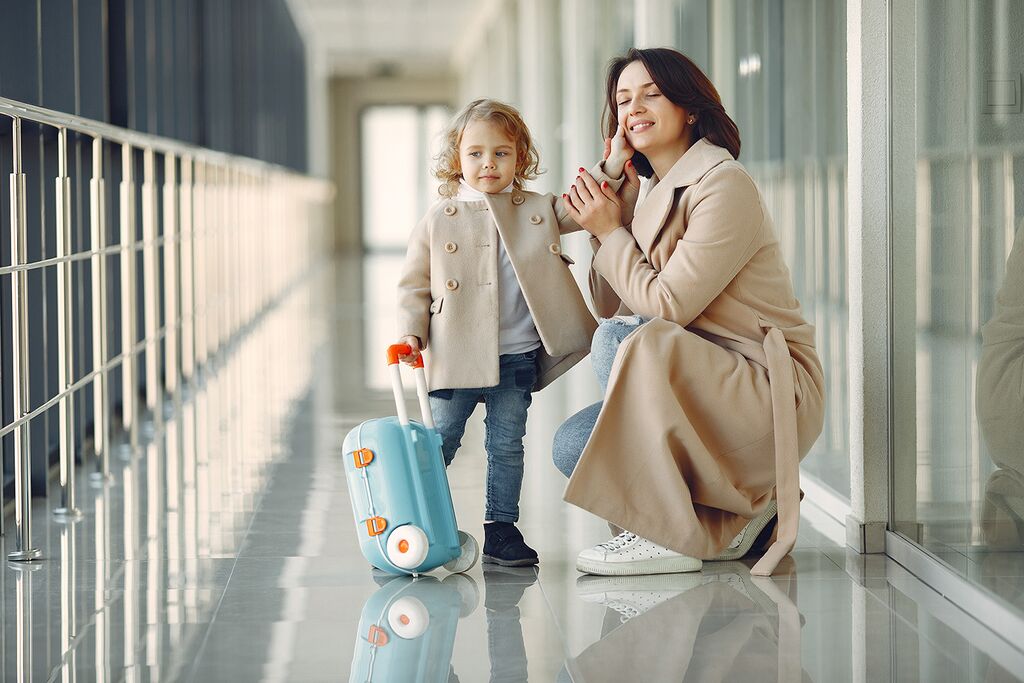
How Do I Keep My Child Busy While Travelling?
Whether you're travelling by car, train or plane, having a variety of simple activities that are engaging, screen-free and include plenty of opportunities for conversation and entertainment can help reduce boredom, meltdowns and make the journey more enjoyable for everyone.
Whether you're travelling by car, train or plane, having a variety of simple activities that are engaging, screen-free and include plenty of opportunities for conversation and entertainment can help reduce boredom, meltdowns and make the journey more enjoyable for everyone.
Key Takeaways
- Pack a variety of simple activities rather than relying only on screens.
- Alternate between activities and snack breaks to keep children engaged.
- Introduce new toys or books during the journey to maintain interest.
- Flexible routines and a calm attitude from parents can make travelling much less stressful.
Additionally, children’s safety should remain a priority throughout the journey. According to CDC – Traveling Safely with Infants and Children practical health and safety during travelling with infants and children is exceptionally important. There are several important considerations such as food and water safety, vaccinations, sun protection, insect bites, and preparing for potential health concerns while travelling.
Why Do Children Get Restless While Travelling?
While travelling, children are exposed to new environments, new people and foreign spaces that they would otherwise not engage in. Young ones may find it difficult to:
- Sit still for long periods of time as movement is a biological necessity for young ones.
- Follow unfamiliar routines.
- Wait patiently.
- Sitting or sleeping in unfamiliar or noisy environments.
- Missing regular meal-time or nap-time.
Children’s brains are still developing and are yet immature. Patience, emotional regulation and self-control are all aspects of development that they are yet to learn and actively practice, so it is completely normal for them to become restless or irritable during a trip. Understanding this helps parents prepare rather than react.
What Should I Pack to Keep My Child Busy? / How Can I Keep My Toddler Happy on a Plane?
Thoughtful packing can help with the restlessness children feel when they're in unfamiliar, restrictive environments and their routines are disrupted. Flights can be particularly challenging because children have less freedom to move.
Parents should try to aim for a mix of familiar activities and other engaging practices.
Some useful travel activities include:
- Picture books
- Colouring books and crayons
- Small puzzles
- Magnetic toys
- Portable Building blocks
- Play dough
- Soft toys
- Flashcards
- Drawing materials
Packing some of these items can make it easier to keep children engaged and calm during long travel times.
AP News – Travelling Internationally with Babies and Toddlers states practical advice for parents planning international trips with babies and toddlers. From flights and accommodation to feeding, car seats and comfort, travelling with young children can be extremely overwhelming without the right plan and proper preparation.
What Are the Best Screen-Free Travel Activities?
Children usually enjoy interactive activities that involve active play. The right activities can keep them occupied while making the journey feel more fun and interactive.
Storytelling
Taking turns creating a story together, with each person adding to the plot as it continues. Allow the child to decide what happens next and introduce new characters, places, or ideas. Parents can also ask simple questions to keep the child engaged and make the activity more interactive. This activity captures children’s attention while encouraging imagination, creativity, and communication skills.
Eye-spy games
While travelling by train or car, parents can ask their children to look out the window and spot a specific object. Whether it's a car, a bridge, a dog, a school bus, a tree, or a bicycle. This encourages young children to remain actively involved in an activity that keeps their attention hooked, while also developing their observation skills and receptive language skills.
Memory Games
Simple memory games can be an enjoyable way to keep children engaged during a journey. These games can involve remembering different items, following sequences, or recalling details as the activity progresses. They provide a fun mental challenge while encouraging children to stay attentive, think creatively, and participate with others throughout the journey.
Common Travel Mistakes to Avoid / What Travel Mistakes Should Parents Avoid?
A few simple mistakes can make travelling with children more tiring and stressful than it needs to be. Being prepared can help parents create a more comfortable and enjoyable experience for everyone.
Parents should avoid:
- Packing too many toys as this can become overwhelming.
- Expecting young children to sit still for long periods.
- Planning the journey without allowing time for proper meal-times and rest.
- Not sticking to the regular meal-time or nap-time routine.
- Expressing outward frustration when children become restless during the journey.
Flexibility, preparation and patience can go a long way when travelling with children. Keeping their needs as a priority can help make the journey smoother and tantrum-free.
The American Academy of Pediatrics states common challenges parents may face when travelling with children. Covers ways to plan ahead, keep children safe and comfortable, and make longer journeys easier and less stressful for the whole family.
Young children require opportunities to explore new environments and learn through real-world experiences, which can be achieved through safe and planned travel. Even small journeys can encourage children to observe, interact and discover the world around them.
Travel can help children build confidence by introducing them to new experiences, while conversations can strengthen their communication skills. Being in different environments encourages children to adapt, and taking part in small travel-related tasks can gradually help them develop a sense of independence.
At Kido, we recognize that learning does not only happen in the classroom. Everyday experiences, including travelling with family, can encourage children to explore, ask questions and develop important skills in an enjoyable and meaningful way.
FAQs
Simple toys such as picture books, magnetic toys, colouring books and small puzzles tend to keep toddlers engaged for longer and more mentally stimulated while travelling.
Preparing a variety of different activities that are frequently rotated, including snack breaks, encouraging conversations and allowing movement whenever possible are all ways to help your child from getting bored during a long journey.
Occasional screen use during long journeys can be an effective choice. Distracting your child with digital devices may keep them occupied, but can have a negative impact if used for an extended period of time. Therefore, it is important to balance it with books, conversation, games and limited movement.
Packing snacks, water, wipes, a change of clothes, comfort items, books, colouring materials, small toys and simple games encourage interaction and calm your child in unfamiliar environments.
Yes. Travelling introduces children to new people, places, languages and experiences, all of which support communication, curiosity and cognitive development.
Keep a few essentials handy, such as water, wipes, spare clothes and sick bags. Fresh air and regular stops may also help your child feel more comfortable.
Offer a change of activity, a snack, a short break or some movement to help your child reset. You can also involve them in simple games, songs or conversations to give them something new to focus on.
Plan breaks based on your child’s age, needs and the length of the journey. Regular opportunities to stretch, move and use the toilet can make travel easier.
Yes, absolutely. A familiar toy, blanket or comfort item can help your child feel secure when travelling in an unfamiliar environment.
Conclusion
Travelling can be extremely stressful for young children and therefore journeys may not always go exactly as planned which is perfectly normal. Simple and engaging activity bags, realistic expectations and a flexible mindset can make the experience better for young ones.
If you're looking for an early years environment that nurtures curiosity, independence and a love of exploring the world, Book a visit to Kido and discover how our play-based approach helps children learn through meaningful experiences every day.