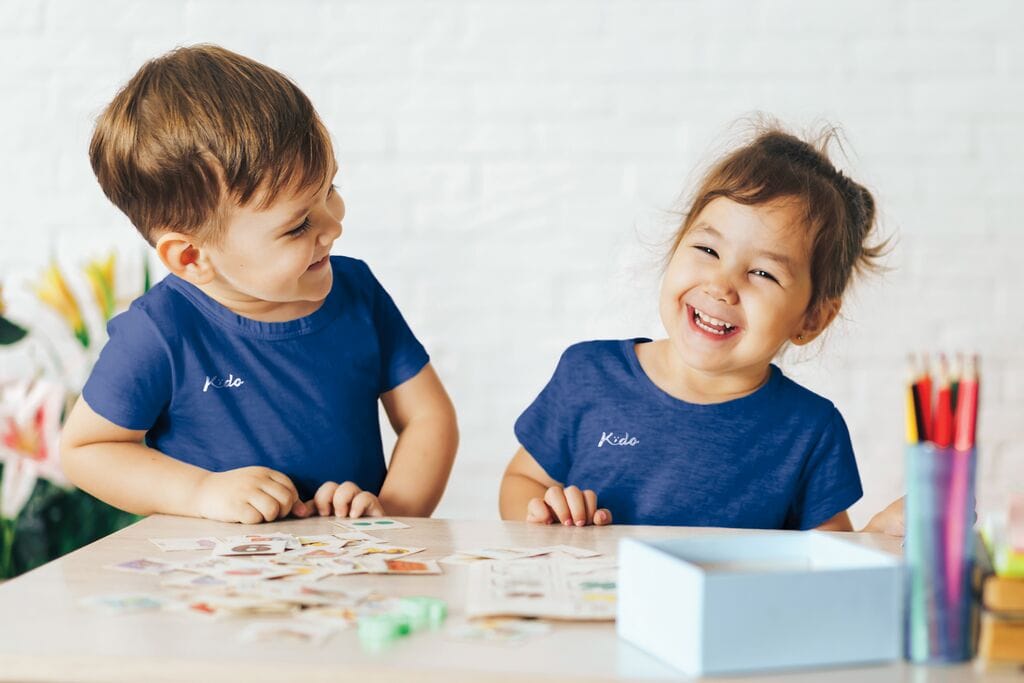
Helping Toddlers Articulate with Confidence
Top Strategies for Helping Toddlers Articulate Thoughts and Emotions with Confidence
As early childhood educators and advocates, we embark on a captivating journey every day, one that revolves around nurturing the overall development of young children. This encompasses not just their cognitive and physical development, but also their social and emotional development. Toddlers, with their boundless curiosity and their burgeoning sense of self, are like sponges, absorbing the world around them and seeking to express their thoughts and feelings in increasingly sophisticated ways.
Are you looking for effective ways to help your toddler articulate thoughts and emotions with confidence?
Developing these skills early can significantly impact their overall emotional and social growth. Articulation and communication skills play a significant role in a child's development, supporting their ability to interact with peers, build confidence, and succeed academically. Good articulation skills help in expressing thoughts and needs clearly, which is vital for academic success and building social relationships.
At Kido International, we believe that helping toddlers articulate their thoughts and emotions with confidence is not just about teaching vocabulary or communication skills; it’s about empowering them to understand and navigate the complex landscape of their inner world. These skills play a crucial role in supporting cognitive development and self-esteem, helping children build resilience and a positive self-image. Here are some powerful strategies we have developed along the way.
Creating a Nurturing Environment
Toddlers thrive in environments where they feel safe, valued, and heard. Creating a safe space is essential, as it provides a non-judgmental and supportive environment where children can freely express their thoughts and emotions without fear of judgment. By establishing a warm, nurturing atmosphere with supportive, caring relationships at home and in preschool settings, parents and educators lay the groundwork for open communication and emotional expression. Parents and teachers act as role models, showing their own approach to open communication. They engage in open conversations to promote emotional awareness, allowing children to become more comfortable discussing their feelings.
A nurturing environment encourages children to express their thoughts without fear of judgment, thus fostering confidence. This is the kind of environment that lays the foundation for language development and social interaction. In a supportive environment, children are more likely to engage actively and communicate assertively.
Encouraging Open Expression
Conversation is a powerful tool for fostering emotional intelligence. Parents and educators can engage toddlers in meaningful conversations about their day, their experiences, and their emotions, helping them develop the language and confidence to express themselves.
Daily small interactions, such as motivational messages or end-of-day reflections, help establish routines that foster connection and consistency. Fostering an environment that encourages active participation and self-expression helps our children become confident communicators in various social settings, enhancing their social experiences. These practices boost a child’s confidence and encourage children to express themselves without hesitation. Providing positive feedback when children express their thoughts and emotions reinforces their willingness to communicate openly.
Modelling Emotional Awareness
Children learn by observation and emulation, so adults need to model healthy emotional expression. Caregivers should discuss how they are feeling and communicate their own strategies to help manage their big emotions. When adults model confidence in expressing their own emotions, it demonstrates to children that it is safe and positive to talk about feelings, inspiring them to develop similar confidence and resilience. Open dialogue throughout the day encourages children to share their own perspectives. Seeing how adults handle their feelings helps young children recognize and regulate their own emotions, enabling them to work through outbursts with words. Modeling these behaviors positively influences a child's ability to articulate and manage their feelings, thereby supporting their overall communication skills and emotional development. Young ones who can verbalize their emotions are less likely to display disruptive behavior and are better equipped to regulate their feelings.
Teaching Emotional Vocabulary
By labeling and discussing their own feelings in everyday situations, caregivers can help young children develop a rich emotional vocabulary. Introducing emotional vocabulary to toddlers is essential for their emotional development and social growth. Activities that expand vocabulary help children communicate more effectively, enhancing their ability to express emotions and understand others. Teaching children to identify emotions such as happy, angry, sad, and scared helps them articulate their feelings. Discussing feelings openly can significantly improve a child’s mental health by reducing anxiety and helping them recognize emotions in themselves and others.
Adults must be very clear while modeling language - they should ask toddlers precise questions to help them narrow down their thoughts. Instead of asking, “What’s wrong? Why are you upset? Why are you crying?”, they could ask, “Are you feeling sad that your toy broke?” or “Are you hurt because you fell?” By assigning words to their feelings and emotions, adults can help toddlers become aware of their feelings and label them appropriately.
Using visual aids, such as a feelings thermometer or feelings jars, can further help children recognize and articulate their emotions. Similarly, using puppets in storytelling or role-playing activities allows toddlers to explore and communicate their feelings safely and imaginatively. Engaging children in storytelling also strengthens their language skills and emotional vocabulary. Consistent practice in using new words is crucial, as it reinforces vocabulary growth and helps children internalize these skills for long-term success.
Teaching Empathy
Empathy is a cornerstone of emotional intelligence. Caregivers can cultivate empathy in toddlers by encouraging them to consider others' feelings and perspectives. Teaching children to feel and understand others' perspectives is essential for fostering positive relationships and reducing conflicts among peers. Perspective-taking is a key social skill that enhances empathy, improves conflict resolution, and helps children understand diverse viewpoints. Methods to achieve this include:
- Participating in role-playing activities, which allow children to step into others’ shoes and understand their emotions.
- Using role-play to help children gain tools to navigate complex emotional landscapes and offer emotional support.
- Engaging in community service to help children understand diverse perspectives.
- Playing cooperative games to develop kindness and teamwork.
- Participating in group activities, such as playdates or team sports, to practice empathy, communication, and cooperation.
Cultivating empathy in children develops kindness and compassion, allowing them to appreciate a diverse range of perspectives. Fostering empathy enhances children’s ability to navigate social situations and build lasting relationships.
Validating Feelings
Toddlers experience a wide range of emotions, from joy and excitement to frustration and fear. Adults must acknowledge, validate, and normalize these feelings, reassuring them that all emotions are valid and acceptable.
Acknowledging and validating their emotions is as significant as modeling feelings and behaviors. Children often look for acknowledgment from adults. Instead of jumping in too quickly with a response or judgment, saying, “Don’t cry, you are a brave boy/girl.”, instead say, “I understand that you are feeling sad/hurt/angry.” This will be the first step in letting the child know you are there for them, and they can share anything they feel with you.
It is also essential to let them know that feeling an emotion does not translate to taking action immediately. This helps them to regulate emotions. For example, it is ok to feel angry sometimes, but it is not ok to harm others when we feel angry. Validating their feelings reassures children that emotions are normal. Learning to regulate emotions helps children respond appropriately to different situations.
Practicing Active Listening
Apart from providing children with the tools to express themselves verbally, it is equally important that adults actively listen to children without interruption. It is essential to practice active listening as a key communication skill, giving full attention and validating children's feelings to foster better understanding and connection. Instead of jumping too quickly to complete their sentence, pause and say, “Tell me more; I am listening.” This will reassure children that they are being heard, which, in turn, will help them build confidence in expressing themselves more effectively.
With active listening, caregivers foster children’s confidence and willingness to communicate. When they see that their thoughts and feelings are valued, children are motivated to share more openly. Maintaining eye contact, nodding, and providing verbal cues are simple yet effective ways to demonstrate active listening. Active listening involves maintaining eye contact to show engagement and attentiveness during communication. Non-verbal communication, including body language and facial expressions, conveys significant meaning in interactions. Fully immersing ourselves in everyday conversations makes children feel respected and understood.
Active listening is crucial in encouraging toddlers to express emotions. Further, reflecting on what was said helps to validate the speaker’s feelings and ensures understanding. Withholding judgment and being patient creates a safe environment for children to share their thoughts and stay calm, allowing us to understand others' feelings.
Encouraging Self-expression
Facilitating self-expression helps children understand and articulate their emotions, which is crucial for their emotional and social development. Open-ended art activities allow children to experiment freely, enhancing their confidence and independence in expressing themselves. Free play is also essential, as it provides unstructured time for children to explore, problem-solve, and develop creativity, further supporting self-expression. Encouraging activities that the child likes can boost their confidence and sustain their interest in expressing themselves. Creative activities like music and movement painting cultivate a connection between emotions and artistic expression, fostering sensory awareness and encouraging self-expression.
Collaborative art projects encourage children to communicate and work together, enhancing their social skills and teamwork. These activities also promote social interaction and emotional growth, contributing to their overall development.
Handling Negative Feelings Constructively
Handling negative feelings constructively is crucial for emotional development. Teaching children to handle negative feelings builds self-assurance and boosts confidence, helping them develop resilience and a positive self-image. Key strategies include:
- Naming their feelings helps children become better equipped to handle emotions and learn empathy.
- Teaching children to validate their big feelings to manage intense emotions more effectively.
- Encouraging positive affirmations to help children recognize and reframe their negative self-talk, developing self-confidence, and resilience.
- Teaching children problem-solving skills to help them face challenges and navigate social interactions.
Reframing negative thoughts helps develop a positive mindset and build children's confidence. Teaching children to handle disagreements respectfully promotes constructive conflict resolution. Addressing negative feelings constructively helps children understand a range of emotions and respond appropriately, fostering emotional intelligence and a positive self-image.
Early intervention, consistent support, and practical strategies are essential in helping many children and most children develop an understanding of emotions, social skills, and confidence. Kids learn best when we teach children these skills in supportive environments, enabling them to build strong social interactions and emotional resilience.
By incorporating the above strategies into our daily interactions with toddlers, we can empower them to articulate their thoughts and emotions with confidence, setting them on a path toward lifelong emotional well-being and resilience. Helping toddlers articulate their thoughts and emotions with confidence involves creating a nurturing environment, encouraging open expression, practicing active listening, and introducing emotional vocabulary. Role-playing, modeling practical communication skills, teaching empathy, and using positive reinforcement are crucial in this journey. By implementing these strategies, we can support our children’s communication journey and help them become confident, articulate individuals.